Ft231x Usb Uart Driver Link New! Jun 2026
With WiFi and Ethernet
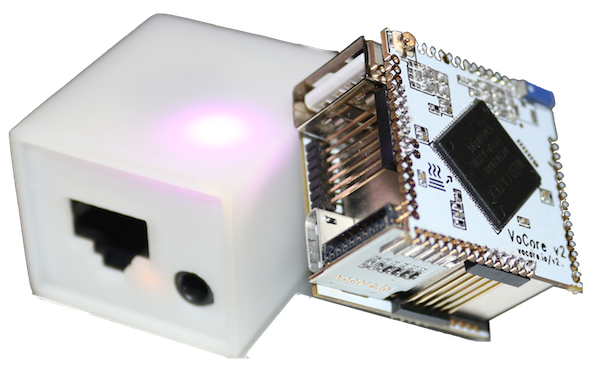
Mini Router only 30g
All-In-One 2.8cm Cube!
Ft231x Usb Uart Driver Link New! Jun 2026
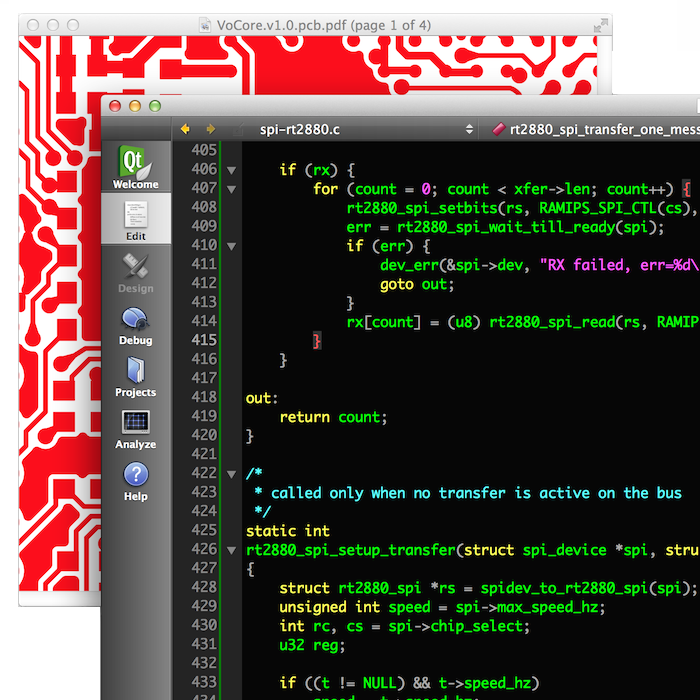
Fully source code
Fully layout design
Open for Everyone
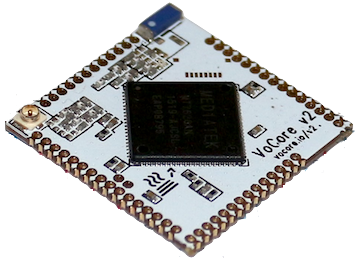
VoCore is open hardware and runs Linux(OpenWrt). It has 128MB DDR, WIFI, USB, UART, SDXC, I2C, SPI, 20+ GPIOs but only one inch square(25.8mm). It will help you to make a smart house, study embedded system or even make the tiniest router in the world.
You will not only get the VoCore but also its hardware design including schematic, circuit board, bill of materials and source code of all applications. You are able to control EVERY BIT of your VoCore.
We invite you join us, help our community improve this open source hardware and use your creative skills to make a more wonderful Internet of Things!

Tiny Size: One square inch, easy to embed to devices.
OpenWrt: Easy to code; super stable, three years no reboot.
Low Cost: low cost, less than 1watt, unmatched performance.
Interfaces: Hardware support USB, Ethernet, SD, I2C, SPI etc.
OpenSource: Both software and hardware, totally FREE
Long Life: Keep production over 10 years, fast email support.
The FT231X chip is a highly integrated USB-to-UART converter that supports a wide range of features, including high-speed USB 2.0, 1Mbit/s UART interface, and a 256-byte FIFO buffer. The chip is designed to provide a simple and efficient way to connect serial devices to a computer via a USB interface. The FT231X chip is widely used in various applications, including industrial control, automation, and embedded systems.
If this sounds familiar, the solution is a quick driver installation. ft231x usb uart driver link
The FT231X USB UART driver is a widely used and versatile driver that enables communication between FT231X-based devices and host computers. Its ease of use, flexibility, and compatibility with various operating systems make it a popular choice for many developers and engineers. The FT231X chip is a highly integrated USB-to-UART
The FT231X is a single-channel USB-to-UART bridge IC from FTDI that provides a simple way to add USB connectivity to serial devices. To use the chip, you need the FTDI VCP (Virtual COM Port) driver so the device appears as a serial (COM) port to the host OS. Official drivers are available for Windows, macOS, and Linux and include INF files for Windows and kernel modules or automatic support on many modern Linux distributions. If this sounds familiar, the solution is a