Igay69 Yuchi Nieh Photobook Meng Chenrar Jun 2026
With WiFi and Ethernet
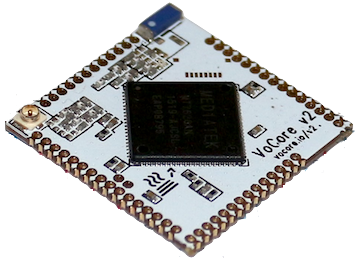
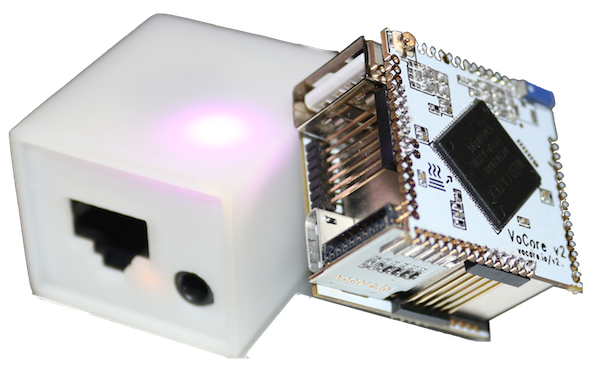
Mini Router only 30g
All-In-One 2.8cm Cube!
Igay69 Yuchi Nieh Photobook Meng Chenrar Jun 2026
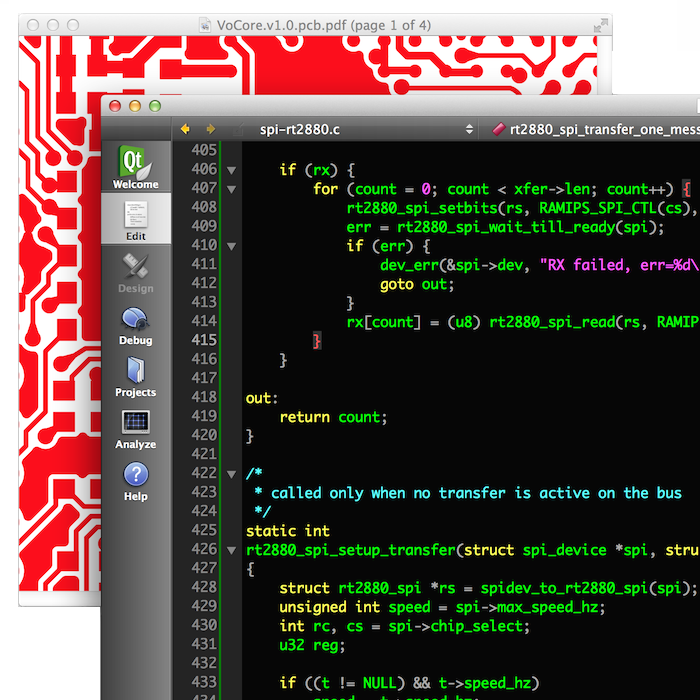
Fully source code
Fully layout design
Open for Everyone
VoCore is open hardware and runs Linux(OpenWrt). It has 128MB DDR, WIFI, USB, UART, SDXC, I2C, SPI, 20+ GPIOs but only one inch square(25.8mm). It will help you to make a smart house, study embedded system or even make the tiniest router in the world.
You will not only get the VoCore but also its hardware design including schematic, circuit board, bill of materials and source code of all applications. You are able to control EVERY BIT of your VoCore.
We invite you join us, help our community improve this open source hardware and use your creative skills to make a more wonderful Internet of Things!


Tiny Size: One square inch, easy to embed to devices.
OpenWrt: Easy to code; super stable, three years no reboot.
Low Cost: low cost, less than 1watt, unmatched performance.
Interfaces: Hardware support USB, Ethernet, SD, I2C, SPI etc.
OpenSource: Both software and hardware, totally FREE
Long Life: Keep production over 10 years, fast email support.
The photobook appears to be a collaborative effort between igay69, yuchi nieh, and meng chenrar, three artistic minds who have come together to produce a visually striking and thought-provoking collection of images. The title itself hints at an exploration of identity, self-expression, and the blurring of boundaries.
Yuchi Nieh is a Taiwanese photographer specializing in erotic and aesthetic male portraiture. igay69 yuchi nieh photobook meng chenrar
Yuchi Nieh is another talented photographer who has been gaining recognition for their captivating images. With a keen sense of composition and a deep understanding of light, Nieh's photographs often transport viewers to new and unexpected realms. Their work might be described as a fusion of fine art and documentary photography, as they aim to tell stories that need to be heard. The photobook appears to be a collaborative effort
Below is a draft for a blog post using a generalized, lifestyle-focused approach for the male photography community. Yuchi Nieh is another talented photographer who has
Meng Chenrar had never intended to make a photobook. He was a quiet archivist in a coastal city whose mornings smelled of sea salt and cooling asphalt, and whose evenings were a slow unraveling of neon signs and the low hum of scooters. Cameras were his refuge: handheld windows that let him place order on the world, frame people and places into neat rectangles he could revisit.
Years later, the photobook would sit on shelves in small bookstores and on coffee tables of people who loved the city and its quiet corners. Students photocopied spreads for zines; a theater director used one photograph as the set’s inspiration; an elderly woman wrote to Meng saying a page reminded her of her childhood home. Igay69 kept curating; Yuchi wandered and made more work; Meng continued to archive, turning his calm observation into a career of preserving moments.